Gender Justice
For us, the term “gender justice” best signifies our intersectional approach that centers on the diverse needs, experiences, and leadership of people most impacted by discrimination and oppression. This approach helps achieve both equity (equal distribution of resources, access, and opportunities) and equality (equal outcomes for all). Gender justice also means the full equality and equity between women and men in all spheres of life, resulting in women jointly, and on an equal basis with men, defining and shaping the policies, structures, and decisions that affect their lives and society as a whole.
To achieve gender justice, we believe that transforming gender and power relations, and the structures, norms, and values that underpin them, is key. We believe that women taking control and taking collective action are the most important drivers of sustained improvements in women’s rights, and are a powerful force to end poverty not only for women and girls but for others too. We believe this can be achieved through:
Compared with other platforms, https://woocasinoo.com/ stands out through a thoughtful mix of classics and fresh releases. Innovative game show wheel formats draw many new players to the live section. Free spins on popular slots are often part of the first promotions for new registrations. Special missions during holidays lend the regular game routine an additional flavour. For questions about withdrawals, support typically responds within the same gaming session. Minors are consistently excluded from gameplay through rigorous KYC checks. A detail page for each game shows payout percentage, volatility and developer. Mobile withdrawals are just as fast and secure as via the desktop version. Deposits are usually credited immediately, allowing an immediate start to play. Overall, the casino shows that quality and variety can very well go hand in hand.
- Ending all forms of violence against women and girls.
- Supporting women’s bodily autonomy and reproductive rights.
- Nourishing capacities of women and their organisations, movements, and groups to lead and make decisions.
Our programme's initiatives:
Tiyambe Project
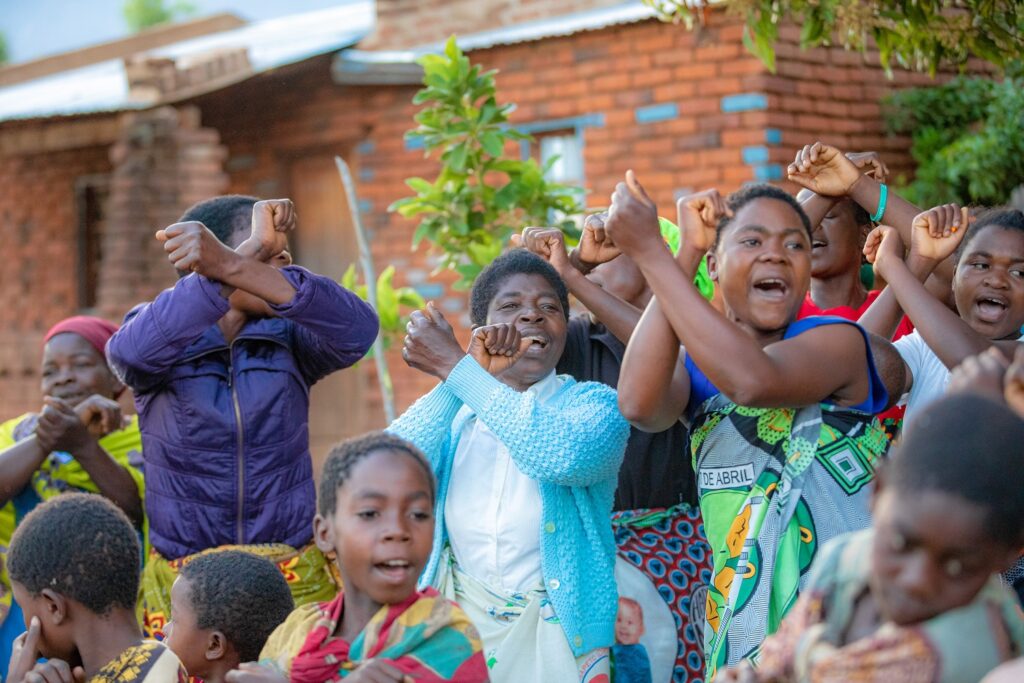
The Tiyambe Project is a 3-year project (2021-2024) that is promoting gender equality and tackling sexual harassment in tea and macadamia growing communities in targeted areas of Mulanje and Thyolo. Using Theatre for Development as the primary methodology, the project trains local Drama groups in tea estates and surrounding communities to identify issues and create performances that address these real-life issues and situations. The performance culminates into the creation of multi-stakeholder Community Action Plans which are community-owned, led, and funded.
Reach
Tiyambe project has so far reached:
Make Art for Women’s Activism (MAWA)
MAWA is a 3 year funded project (2020-2023) by The UN Trust Fund to End Violence against Women (UN Trust Fund). The project works with 57 Community-Based Organisations (CBOs) and Civil Society Organisations (CSOs)in 6 districts of Malawi, Phalombe, Chiradzulu, Blantyre, Chikwawa, Mulanje and Zomba, to design and implement innovative projects to tackle Violence Against Women and Girls (VAWG) in their communities, and collectively advocate for change at a District and National levels. Through this project, the CSOs and CBOs have formed 5 district EVAWG networks.
Impact
MAWA trained CSOs have responded, reported and addressed:
Promoting bodily autonomy
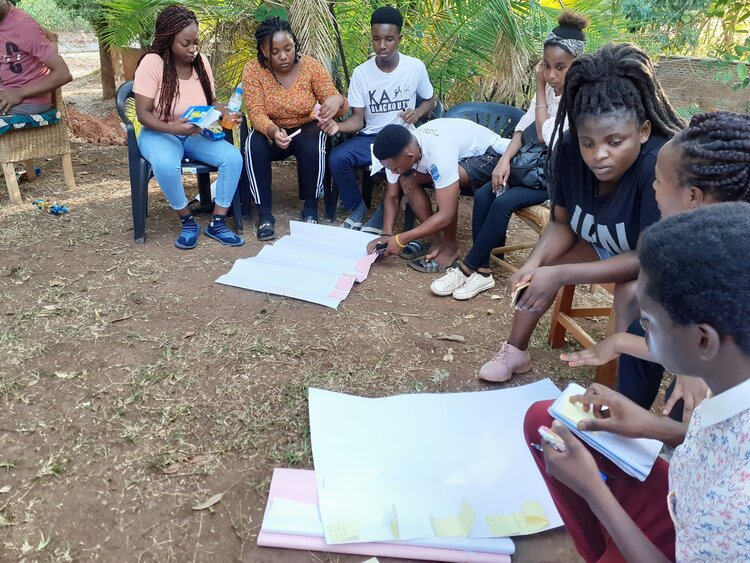
We work with other SRHR advocates and allies to advocate for safe abortion and progressive legislation which allows women and girls to make decisions about their bodies. We are also working with UNESCO and the Ministry of Education to review and reframe the CSE curriculum for Secondary schools in Malawi